Moulard Magret Duck
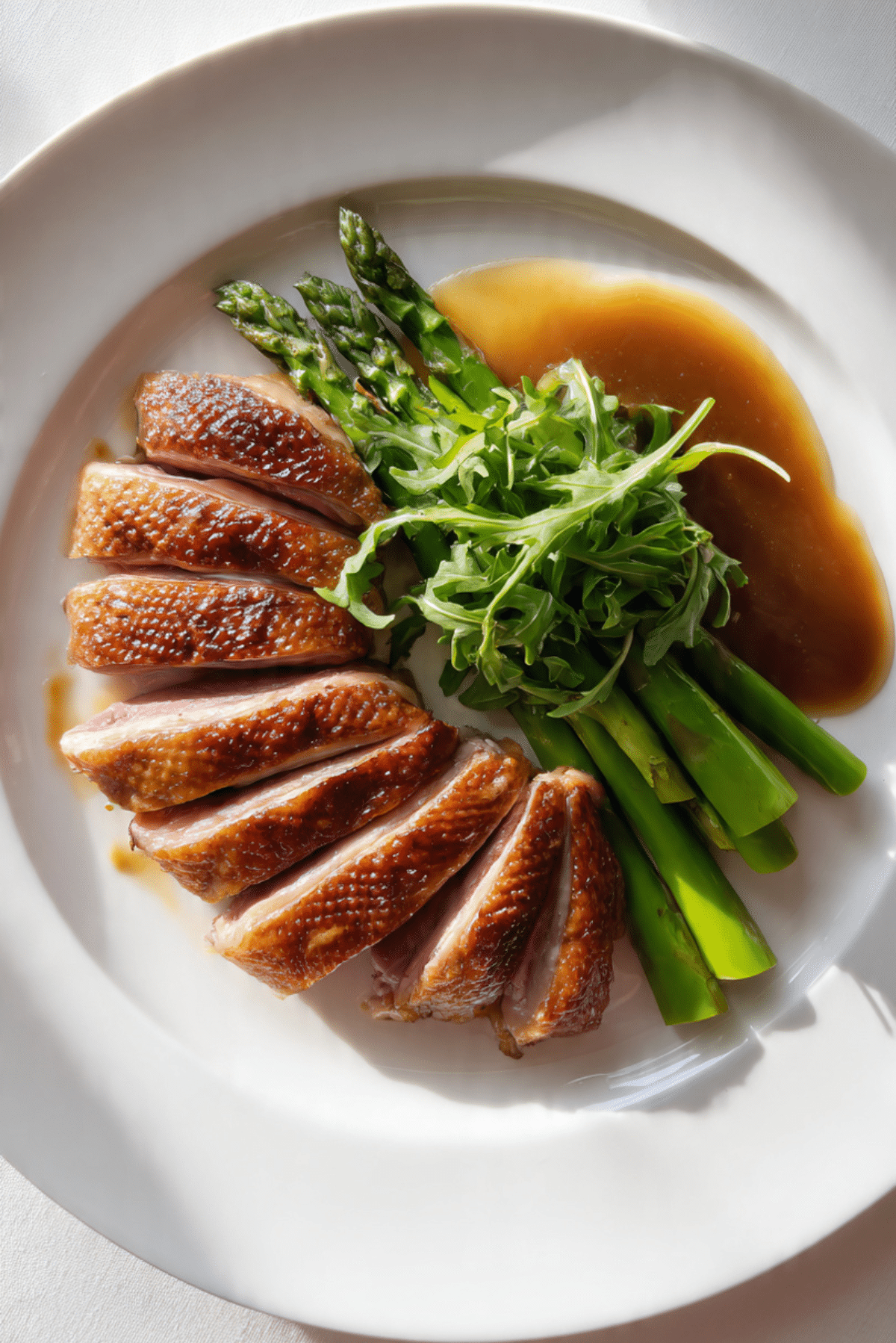
There is something almost ceremonial about placing a perfectly cooked moulard magret duck on the table. The golden, cross hatched skin glistens under the light, the inside blushes a tender pink, and that first slice releases a warm, savory aroma that makes everyone pause for a second. Trust me, you’re going to love this. It feels elegant, yet once you understand the rhythm of cooking it, this one’s a total game changer in your kitchen.
Why This Dish Feels Like a Restaurant Experience at Home
Cooking moulard magret duck at home feels bold at first, but the reward is pure magic. The rich flavor, the contrast between crisp skin and juicy meat, and the way it pairs with something slightly sweet like apple compote or a silky sauce, it all comes together beautifully.
Let me tell you, it’s worth every bite. The texture alone, that gentle resistance of the skin before you reach the tender interior, is unforgettable. And once you master it, you will wonder why you ever saved it only for special occasions.
A French Classic with Deep Roots
Magret duck has strong roots in French cuisine, especially in the southwest of France where duck farming has been a tradition for generations. The term magret refers specifically to the breast of a duck that has been raised for foie gras production, which means it carries a generous layer of fat under the skin.
That fat is not just there for show. It slowly renders during cooking, naturally basting the meat and creating that signature crispy exterior. Traditionally served medium rare and sliced, it is often paired with fruit based sauces that balance its richness. Over time, this preparation became a staple in bistros and home kitchens alike.
Why This Recipe Works Every Single Time
Before we dive into the details, let’s talk about why this version is reliable and satisfying.
Versatile: It pairs beautifully with vegetables, mashed potatoes, or a light salad, making it perfect for both casual dinners and special gatherings.
Budget-Friendly: Compared to ordering it at a restaurant, preparing it at home saves you a significant amount while delivering the same luxurious experience.
Quick and Easy: Once scored and seasoned, the cooking process is straightforward and surprisingly fast.
Customizable: You can adjust the sauce, add herbs, or change the side dishes to suit your taste.
Crowd-Pleasing: The dramatic slicing and rich aroma make it a true centerpiece.
Make-Ahead Friendly: Sauces and sides can be prepared in advance, leaving you to focus on the duck itself.
Great for Leftovers: Thin slices the next day are fantastic in salads or sandwiches.
Chef Secrets for Perfect Duck Every Time
Getting it just right is easier when you know a few insider tricks.
- Always score the skin deeply but avoid cutting into the meat, this helps the fat render evenly.
- Start cooking in a cold pan, allowing the fat to melt gradually and crisp the skin.
- Pour off excess fat as it renders, but save it for roasting vegetables later.
- Rest the duck for at least 5 to 10 minutes before slicing to keep it juicy.
Essential Kitchen Tools for Success
Before we move into ingredients, make sure you have these tools ready.
Sharp Knife: For scoring the skin cleanly and slicing the duck neatly.
Heavy Skillet: A sturdy pan distributes heat evenly and helps crisp the skin properly.
Tongs: Useful for flipping the duck safely.
Cutting Board: Preferably one with a groove to catch juices.
Ingredients You Will Need for This Dish
Now let’s look at the simple but powerful ingredients that create this rich and balanced plate.
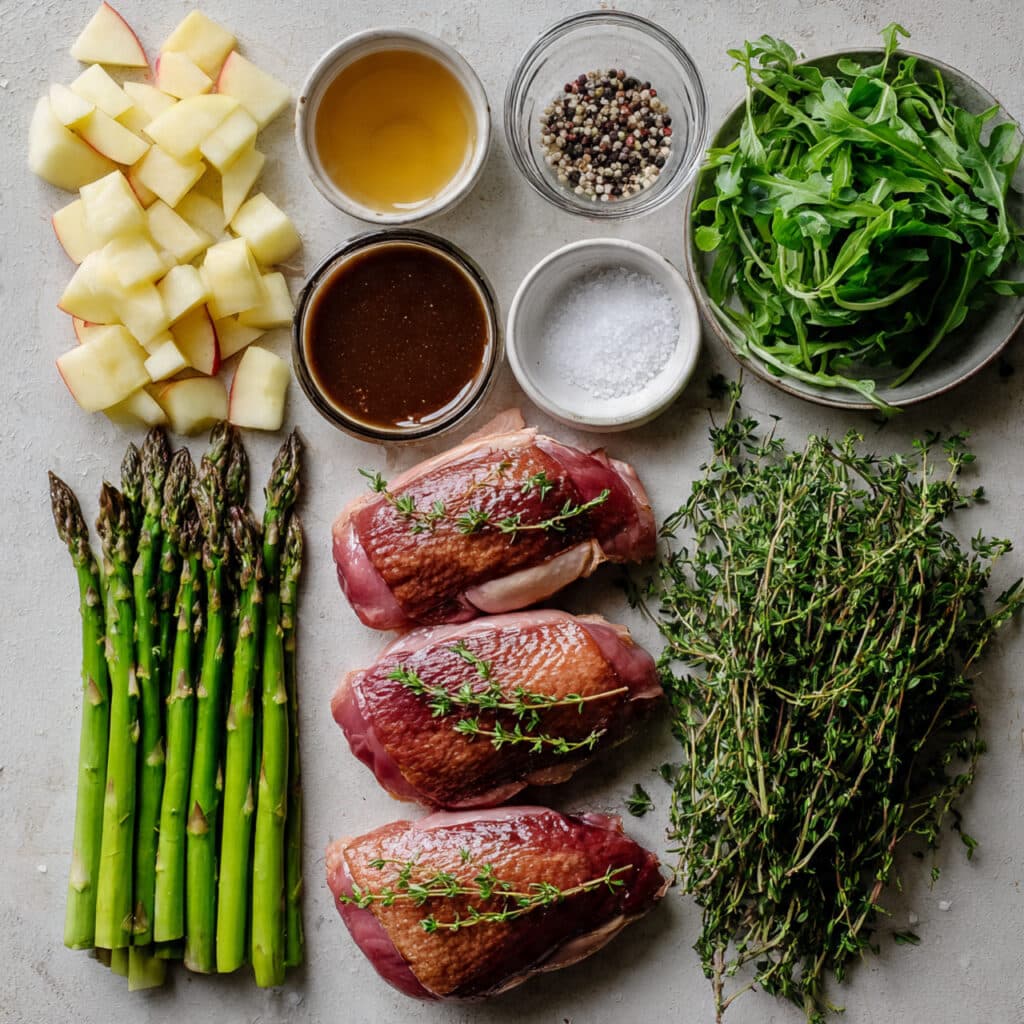
- Moulard Magret Duck Breast: 2 pieces, about 12 ounces each, the star of the dish with rich flavor and thick skin for crisping.
- Salt: 1 teaspoon, enhances natural flavor and helps crisp the skin.
- Black Pepper: 1 teaspoon, freshly ground for subtle heat.
- Fresh Thyme: 2 sprigs, adds earthy aroma during cooking.
- Apple Compote: 1 cup, lightly sweet and tangy to balance richness.
- Asparagus Spears: 12 spears, trimmed, for a fresh and slightly crisp side.
- Arugula: 2 cups, fresh, adds peppery brightness.
- Brown Sauce or Demi Glace: 1 cup, warmed, for depth and glossy finish.
Flexible Ingredient Swaps
If you need to adjust, here are some easy substitutions.
Fresh Thyme: Rosemary or sage.
Apple Compote: Orange segments or cherry sauce.
Asparagus: Green beans or roasted carrots.
Arugula: Baby spinach or mixed greens.
Spotlight on the Star Ingredients
Some ingredients deserve a little extra attention.
Moulard Magret Duck Breast: Known for its thick layer of fat and rich taste, this cut crisps beautifully while staying tender inside.
Apple Compote: Its gentle sweetness cuts through the richness, creating a perfect flavor balance.
Let’s Cook This Beauty Together
Now we move into the heart of the process. Take your time, enjoy the aroma, and follow these steps.
- Preheat Your Equipment: Place a heavy skillet on the stove but do not heat it yet, you will start with a cold pan for proper fat rendering.
- Combine Ingredients: Pat the duck breasts dry, score the skin in a cross pattern, then season both sides evenly with salt and black pepper.
- Prepare Your Cooking Vessel: Place the duck skin side down in the cold skillet, then turn the heat to medium. Allow the fat to render slowly for 6 to 8 minutes, pouring off excess fat as needed.
- Assemble the Dish: Flip the duck and cook the meat side for 4 to 5 minutes for medium rare. Add thyme to the pan during the last minute for fragrance.
- Cook to Perfection: Check internal temperature, aim for about 130 to 135 degrees Fahrenheit for medium rare.
- Finishing Touches: Remove from heat and let the duck rest for 5 to 10 minutes before slicing thinly.
- Serve and Enjoy: Arrange slices on a plate with asparagus, arugula, apple compote, and warm brown sauce. Serve immediately and savor every bite.
Texture and Flavor in Every Slice
The magic lies in contrast. The skin turns crisp and golden while the inside remains tender and slightly rosy. The sauce adds deep savory notes, while the apple compote introduces a gentle sweetness that brightens the palate. The fresh greens and asparagus bring freshness and a slight crunch that keeps each bite exciting.
Helpful Tips for Even Better Results
A few small adjustments can elevate the final result.
- Let the duck come to room temperature before cooking for even heat distribution.
- Do not overcrowd the pan if cooking multiple pieces.
- Slice against the grain for maximum tenderness.
- Taste your sauce before serving and adjust seasoning if needed.
Common Mistakes to Avoid
Even simple dishes have pitfalls, but they are easy to prevent.
- Cooking on high heat from the start, which burns the skin before the fat renders properly.
- Skipping the resting time, which causes juices to run out when sliced.
- Overcooking beyond medium, which makes the meat firm and less juicy.
Nutritional Overview
Servings: 4
Calories per serving: 520
Note: These values are approximate and may vary based on portion size and sauce quantity.
Time Breakdown at a Glance
Prep Time: 15 minutes
Cook Time: 15 minutes
Total Time: 30 minutes
Make Ahead and Storage Advice
You can prepare the apple compote and trim the asparagus ahead of time. Cooked duck can be stored in an airtight container in the refrigerator for up to 3 days.
To reheat, warm slices gently in a skillet over low heat to prevent overcooking. Duck can also be frozen for up to 2 months, wrapped tightly. Thaw overnight in the refrigerator before reheating.
Serving Ideas to Elevate the Plate
Serve with creamy mashed potatoes, roasted root vegetables, or a simple crusty bread. A bright green salad with light vinaigrette complements the richness beautifully.
Creative Leftover Transformations
Leftover slices can be used in a warm salad with citrus dressing, tucked into a sandwich with greens, or added to fried rice for a bold twist.
Extra Tips for Flavor and Ease
Use rendered duck fat to roast potatoes the next day, it adds incredible flavor. Warm your serving plates slightly to keep the duck hot longer.
Turn It Into a Showstopper
Slice the duck evenly and fan it out on the plate. Drizzle sauce lightly over the top and keep the apple compote neatly placed to create visual contrast. The colors alone make it look stunning.
Delicious Variations to Try
- Add a honey glaze during the final minute for subtle sweetness.
- Serve with a berry reduction for a vibrant twist.
- Rub the duck with crushed garlic before cooking for deeper aroma.
- Add a pinch of five spice powder for an Asian inspired variation.
FAQ’s
Q1: Can I cook this in the oven only?
Yes, but starting on the stovetop ensures crispy skin before finishing in the oven.
Q2: How do I know when it is medium rare?
Use a thermometer and aim for 130 to 135 degrees Fahrenheit.
Q3: Can I remove the skin?
You can, but the skin provides flavor and texture that define the dish.
Q4: What if I prefer it well done?
Cook a few extra minutes, but be careful not to dry it out.
Q5: Can I use frozen duck?
Yes, thaw completely before cooking.
Q6: Is it very fatty?
Much of the fat renders out during cooking.
Q7: What sides work best?
Light vegetables and slightly sweet elements balance it beautifully.
Q8: Can I grill it?
Yes, but monitor closely to prevent flare ups from the fat.
Q9: Should I marinate it?
It is flavorful enough with simple seasoning, but light herbs are fine.
Q10: How thin should I slice it?
Thin slices about one quarter inch thick are ideal.
Conclusion
Moulard magret duck might sound intimidating, but once you try it, you will see how approachable it truly is. The crisp skin, tender center, and balanced flavors make it unforgettable. Take your time, follow the steps, and enjoy the process. This one’s a total game changer, and I promise you will feel proud placing it on your table.
Print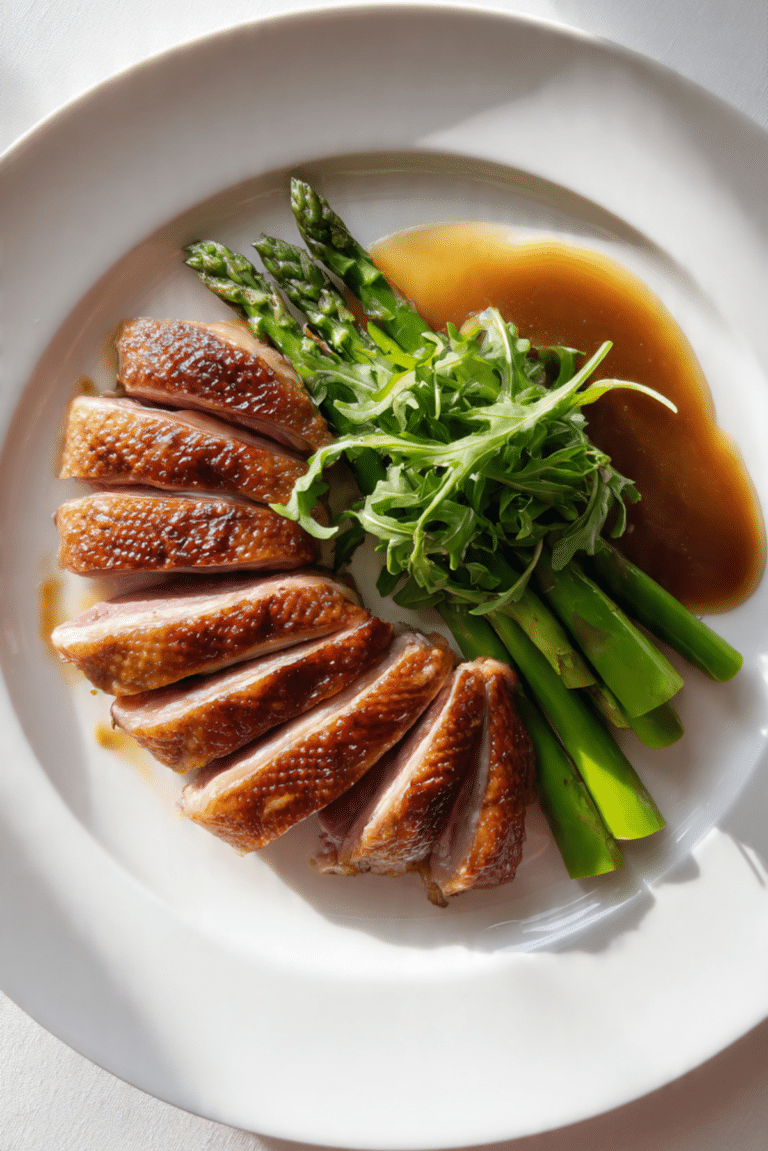
Moulard Magret Duck
Crispy skinned moulard magret duck cooked to a tender medium rare, served with apple compote, asparagus, arugula, and a rich brown sauce for a restaurant quality experience at home.
- Total Time: 30 minutes
- Yield: 4 servings 1x
Ingredients
- 2 moulard magret duck breasts, about 12 ounces each
- 1 teaspoon salt
- 1 teaspoon freshly ground black pepper
- 2 sprigs fresh thyme
- 1 cup apple compote
- 12 asparagus spears, trimmed
- 2 cups fresh arugula
- 1 cup brown sauce or demi glace, warmed
Instructions
- Pat the duck breasts dry and score the skin in a cross pattern without cutting into the meat. Season both sides with salt and black pepper.
- Place the duck skin side down in a cold heavy skillet. Turn the heat to medium and allow the fat to render slowly for 6 to 8 minutes, carefully pouring off excess fat as it accumulates.
- Flip the duck and cook on the meat side for 4 to 5 minutes for medium rare. Add fresh thyme during the last minute of cooking.
- Check the internal temperature and aim for 130 to 135 degrees Fahrenheit for medium rare doneness.
- Remove the duck from the pan and let it rest for 5 to 10 minutes before slicing thinly against the grain.
- Lightly cook or steam the asparagus until just tender while the duck rests.
- Arrange sliced duck on plates with asparagus, fresh arugula, apple compote, and warm brown sauce. Serve immediately.
Notes
- Start with a cold pan to ensure proper fat rendering and crispy skin.
- Do not skip the resting period to keep the meat juicy.
- Save rendered duck fat for roasting vegetables or potatoes.
- Slice against the grain for maximum tenderness.
- Prep Time: 15 minutes
- Cook Time: 15 minutes
- Category: Main Course
- Method: Pan-Seared
- Cuisine: French
Nutrition
- Serving Size: 1 serving
- Calories: 520
- Sugar: 6g
- Sodium: 620mg
- Fat: 38g
- Saturated Fat: 14g
- Unsaturated Fat: 20g
- Trans Fat: 0g
- Carbohydrates: 10g
- Fiber: 2g
- Protein: 34g
- Cholesterol: 110mg
Keywords: moulard magret duck, pan seared duck breast, french duck recipe, crispy duck skin, medium rare duck